What to Do If Your Car Starts Making Weird Noises

You’re cruising along the motorway, maybe halfway through a podcast or mentally planning your dinner, when it happens, clunk, whirr, or worse, a high pitched squeal.
Strange noises from your car are never a good sign. And let’s be honest, most of us are guilty of turning up the radio and hoping the problem will go away.
But ignoring unusual sounds can cost you. Catching problems early could mean the difference between a minor fix and a full blown wallet emptying repair job.
In this straight talking guide, we’ll break down common car noises, what they might mean, and what to do about them before they turn into a disaster.

1. Squealing When You Brake? Check Your Pads
If your car lets out a high pitched squeal every time you press the brake pedal, it’s likely your brake pads are worn. Most brake pads have a built in wear indicator that starts to squeal when it’s time for a replacement.
Get your brake pads checked as soon as possible. If you leave it too long, you’ll not only hear grinding (which means metal on metal contact), but you'll also damage your brake discs, costing you a lot more.
2. Grinding When You Shift Gears? Clutch or Transmission Trouble
Manual transmission drivers, this one’s for you. If you hear grinding while shifting, your clutch might be worn, or your transmission might be low on fluid, or both.
Have a mechanic inspect the clutch and check the transmission fluid level. Continuing to drive with a failing clutch can ruin your gearbox completely.
3. Knocking From the Engine? That’s Serious
A repetitive knocking or tapping sound coming from under the bonnet could mean engine trouble, like worn bearings or a lack of oil.
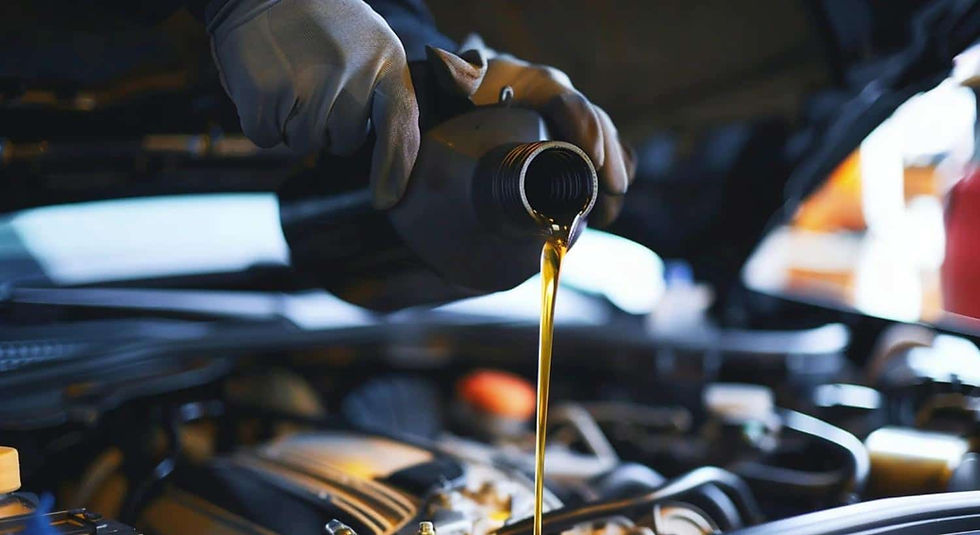
Pull over immediately and check your oil level. If it’s low, top it up, but understand this may only be a temporary fix. If the knocking persists, do not drive the car. Get it towed to a garage. Engine damage can escalate quickly and become extremely expensive.
4. Whining When You Accelerate? Could Be the Transmission or a Belt
A constant whining sound that rises with speed often points to a transmission issue or a worn serpentine belt.
Book a service. Transmission issues are complex, and a whining belt might be the sign of a misaligned pulley or an accessory about to fail. Either way, best get it looked at sooner rather than later.
5. Clicking When Turning the Wheel? CV Joint Might Be Shot
Clicking noises while cornering, especially in front wheel drive vehicles, are often a sign of a worn CV (constant velocity) joint. You’ll notice it more during tight, slow turns.
You’ll need a mechanic to replace the CV joint or axle. Ignoring it could lead to total joint failure and loss of drive.
6. Hissing Under the Bonnet? Check for Leaks
Hear a hiss while the engine’s running? It could mean a vacuum leak, overheating coolant, or a failing hose. If there’s also steam or a burning smell, stop the car immediately.
Open the bonnet (carefully!) and check for any obvious signs, like leaking fluid or cracked hoses. If in doubt, let the engine cool and call a mechanic.
7. Rattling Inside the Cabin? Don’t Ignore It
A rattle inside your car might just be a loose bit of trim or a rogue bottle under the seat. But if it sounds like it’s coming from the dashboard or under the floor, it might be a failing exhaust heat shield, suspension issue, or loose engine mount.
Do a quick check to rule out anything simple (loose items, glovebox contents, etc.). If it persists while driving, have a garage inspect the underbody and mounts.
8. Roaring Tyre Noise? Check Your Rubber
A loud roaring or rumbling could just be road noise, but if it’s new or getting louder, it might be due to uneven tyre wear, low pressure, or even a failing wheel bearing.
Check your tyre pressure and inspect the tread for uneven wear. If the noise persists or feels like it's coming from one corner, have the wheel bearings checked.
9. Chirping or Squeaking From the Engine? Belt Issues
A rhythmic squeak or chirp while the engine runs could mean the serpentine belt is worn or a pulley bearing is going bad.
This one’s common and usually not urgent, but it’s worth replacing the belt before it snaps and causes a breakdown.
When to Take It Seriously
Weird noises should always be treated with a level of caution. Some may be harmless or simply annoying, but others could be the early signs of critical failure.
As a rule of thumb:
Stop driving if you hear knocking, hissing with steam, grinding brakes, or anything that feels unsafe.
Note when and how the sound happens, speed, temperature, weather conditions, etc. This helps your mechanic diagnose the issue quicker.
Don’t delay repairs. Waiting often leads to worse (and pricier) damage.
Final Thoughts
Cars don’t usually fix themselves. That odd noise is your car telling you something’s wrong. The sooner you investigate or get it checked, the better your chances of avoiding a breakdown or a major repair bill.
We always tell drivers: don’t wait for a warning light, listen to your car. Because by the time a light comes on, the damage might already be done.
Mike Floyd
Senior Maintenance Editor, Car Care Column



Comments